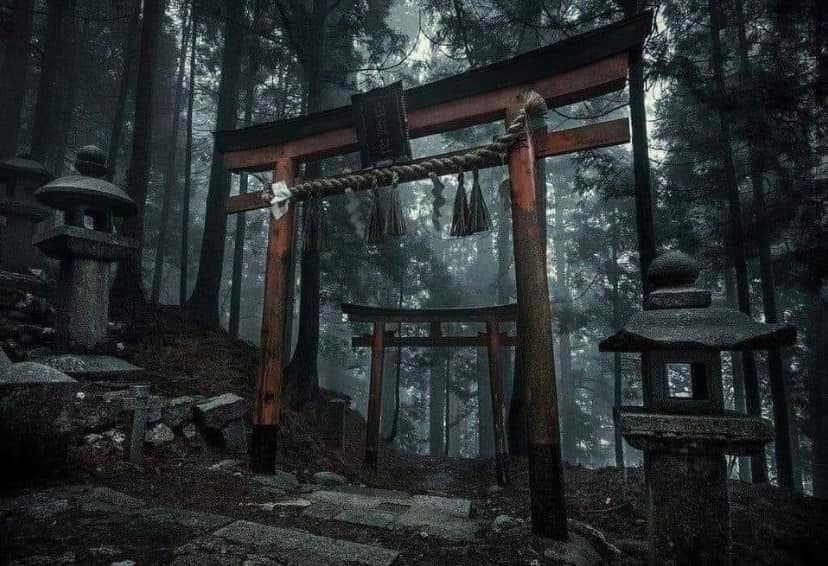
Skill Over Appearance. Practice Over Performance.
Rinkiohen-Do is a modern martial tradition centered in the principle of adaptive response. Its training integrates body method, tactical perception, disciplined character, and inner cultivation into a single transmitted system.
The school traces its roots to Puerto Rico in the 1970s, where Edwin Rodriguez led a serious training group drawing from Kyokushinkai, Jujutsu, Shaolin Kempo, and related traditions. By 1978 a distinct curriculum had taken form. In 2000 the system was formally named Rinkiohen-Do. Succession passed to Kerwin Rodriguez on April 4, 2026.
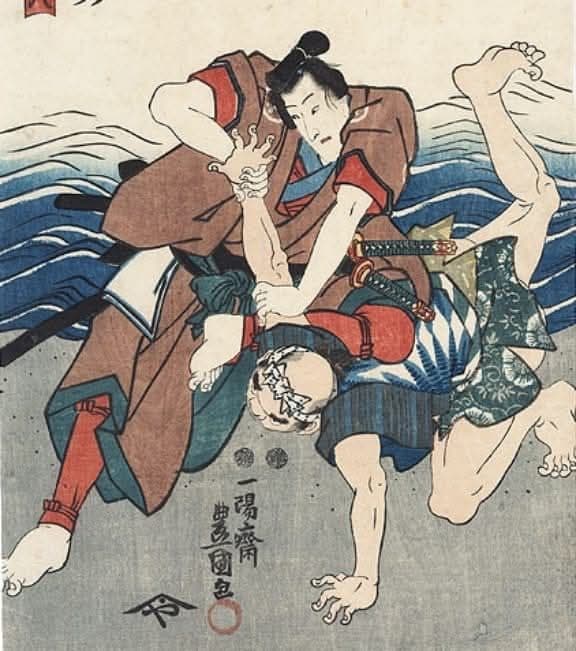
The Way of Adaptive Response
The name carries a precise meaning: to perceive changing conditions clearly and respond without rigidity. Adding 道 (dō, the way) transforms it from a principle into a path of cultivated practice.
This is not merely a label. It is the governing principle of everything taught, from the first technique to the deepest transmission.
The Meaning in FullThree Defining Pillars
Adaptive Response
The school takes its name and its governing principle from this ideal. Training cultivates the ability to read changing conditions and respond without rigid attachment to form.
Philosophy of Response →Taijutsu and Bujutsu
Centered in body-based combative method while maintaining a broader framework of strategy, structure, and disciplined application across all ranges of engagement.
Explore the Curriculum →Transmission and Responsibility
The art is preserved through formal instruction, disciplined practice, and a serious understanding of custodianship. Succession flows to the most qualified transmitted successor.
The Lineage →Training at a Glance
Five recurring focal areas, not as isolated specialties, but as interconnected expressions of a single martial method.
Training balances outer technical practice with inner work in perception, awareness, and cultivated response.
Explore the CurriculumThe Godai Progression
五大: Five Elements · Five States of Development
Principles First. Style Is Secondary.
The classical combative traditions of Japan were not built around styles. They were built around principles: governing laws of distance, timing, structure, perception, and adaptive response that produce effective skill regardless of form. Over time, much of that combative clarity became buried inside systems oriented toward sport, ceremony, or stylistic identity.
Rinkiohen-Do was built by practitioners who worked back to those principles. Not by inheriting a lineage, but by training seriously, pressure-testing methods, and identifying what actually governs skill under pressure. The art draws from classical Japanese martial thought not as an aesthetic choice, but because that body of thought contains a rigorous account of how combative skill actually works.
That is what this school transmits.
About the SchoolFor Those Seeking More Than Technical Accumulation
Rinkiohen-Do is a discipline of body, mind, strategy, and responsibility. Shaped by practice and carried forward through formal transmission.